As we move into 2026, interior design continues to blend lifestyle, technology, and sustainability in increasingly seamless ways. The year’s biggest trends spotlight homes that work harder for us. Spaces that feel nurturing, intuitive, and deeply personal.
Soft Tech Integration
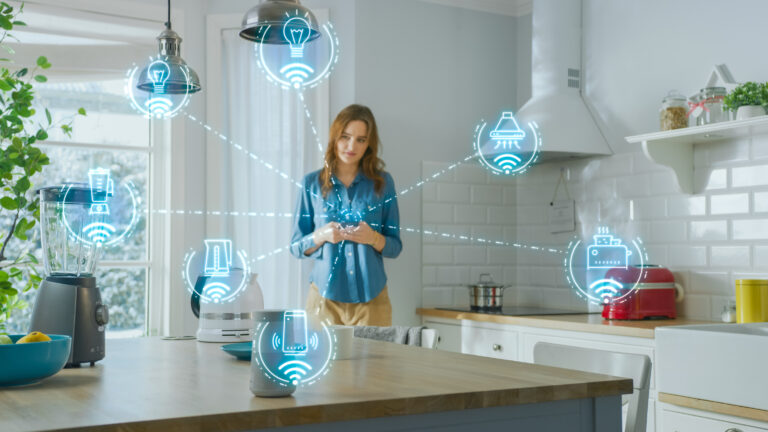
Smart homes aren’t going anywhere, but 2026 favours “invisible tech”. Think motion-responsive lighting tucked into cornices, climate-adaptive blinds, whisper-quiet purification systems, and AI-assisted appliances that blend into cabinetry. The goal is to enhance comfort without visual clutter; technology that you feel, not see.
Neo-Natural Minimalism
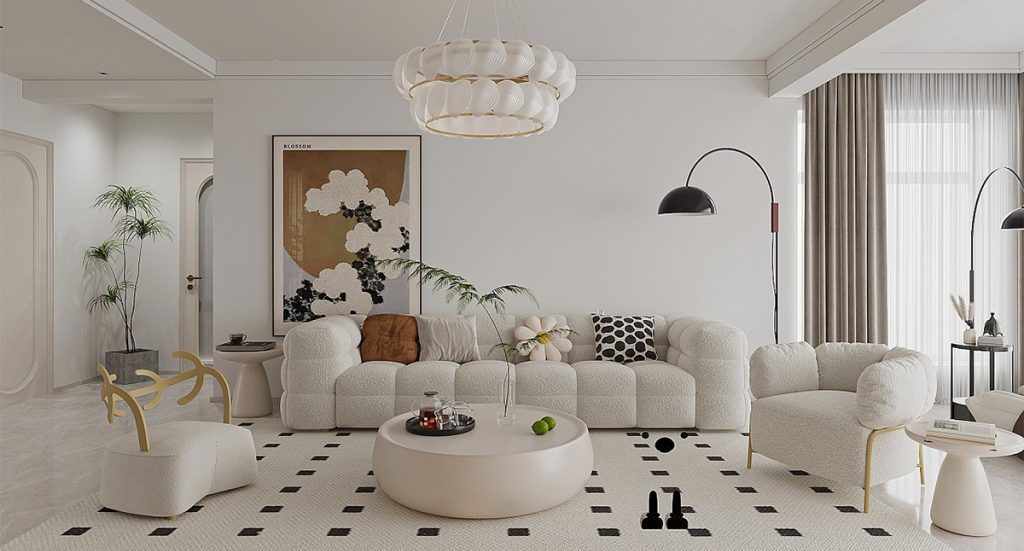
Minimalism is softening. Instead of stark whites and rigid lines, expect creamy neutrals, rounded silhouettes, and natural fibres. Timber grains, textured stone, clay plaster walls and soft boucle continue to dominate, but with more warmth and a handmade, imperfect aesthetic. It’s minimalism with heart.
Biophilic Immersion
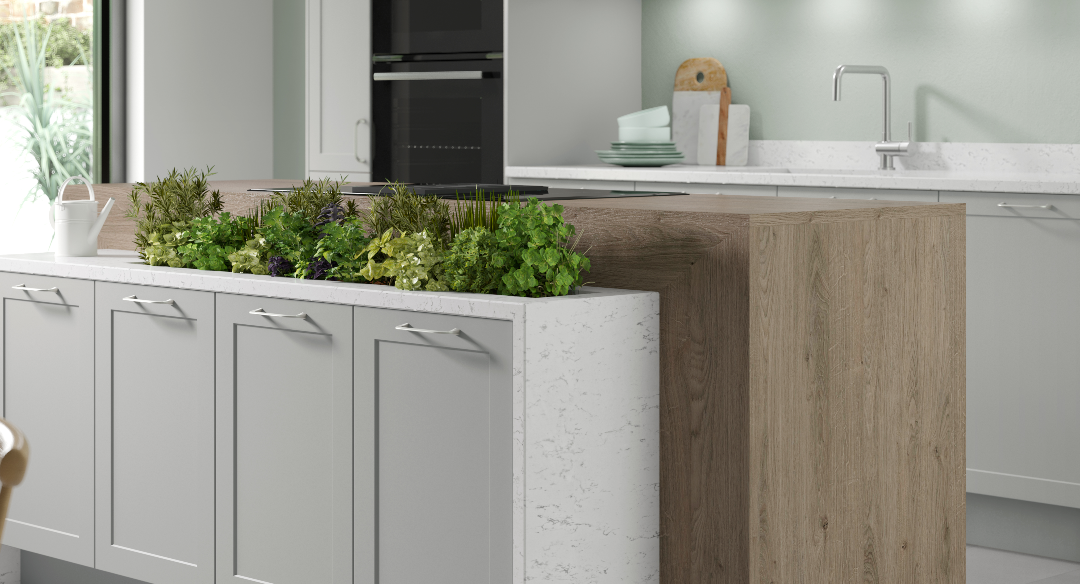
Indoor greenery evolves from potted plants to fully integrated features: green walls, edible herbs in kitchen joinery, indoor-outdoor transition zones, and daylight-maximising redesigns. Homeowners prioritise well-being, and designs that support circadian rhythms and air quality become mainstream.
In 2026, interiors are less about following trends and more about creating deeply personal, calming, and intelligently functional homes. Spaces that evolve with the way we actually live.