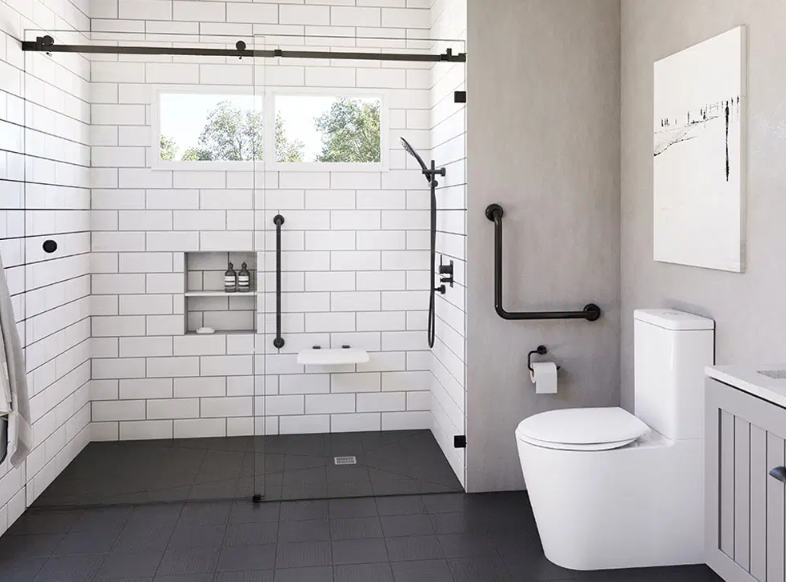
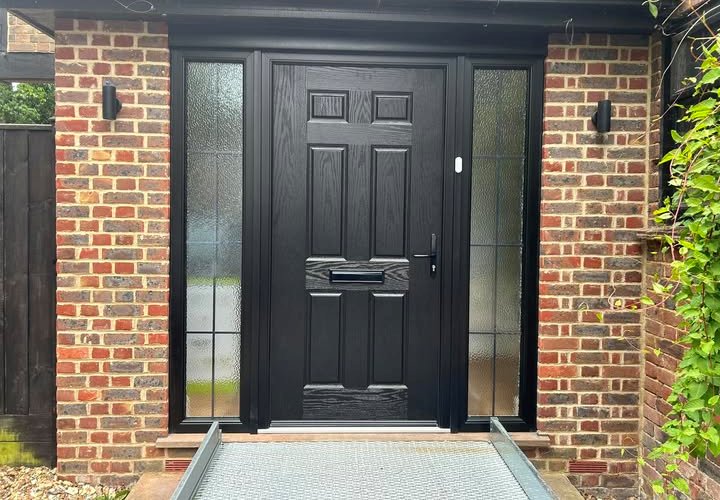
Designing buildings that are accessible to people with disabilities and meet inclusive design principles is a growing trend in Australia, driven by regulatory changes.
More than just meeting minimum compliance, this approach focuses on creating spaces that work for everyone. Rather than adding features later, inclusive design considers diverse needs from the start, ensuring functionality, safety, and dignity for all users.
By 2050, a quarter of Australians will be over 65, driving demand for housing that supports ageing in place. The National Construction Code (NCC) 2022 has responded with new accessibility standards for new homes. These include step-free entries, wider doors, and structural supports in bathrooms, which are all features that make life easier not just for people with disabilities, but for everyone.
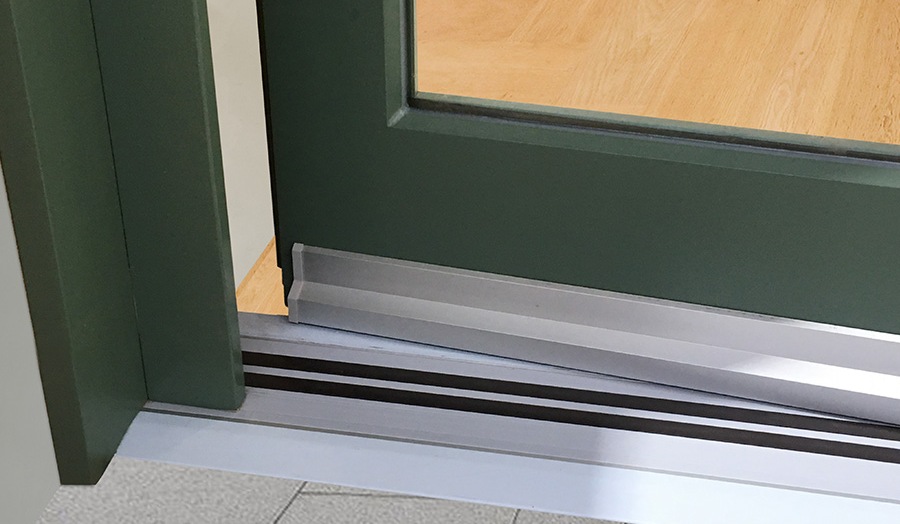
Importantly, accessible features can be both practical and beautiful. Gone are the days of clunky grab rails and clinical-looking bathrooms. Today’s inclusive homes use clean, modern lines and clever spatial planning to create stylish, marketable spaces. Developers and architects who build with inclusion in mind are future-proofing their projects by appealing to a wider market and reducing the need for costly retrofits down the track.
It’s a smart, forward-thinking approach to building.