

One of the biggest mistakes homeowners make when planning a renovation is assuming everything will go exactly according to plan.
No matter how carefully you budget, renovations have a habit of uncovering surprises. Behind a wall might be damaged framing. Under old flooring could be uneven subfloors. Electrical or plumbing work may need updating to meet current standards.
These unexpected issues aren’t necessarily signs of a bad project. They’re simply part of working with an existing home.
That’s why experienced renovators always allow a contingency budget. A contingency is money set aside specifically for unforeseen costs that arise during the renovation process. It provides a financial buffer and helps prevent stress when something unexpected appears.
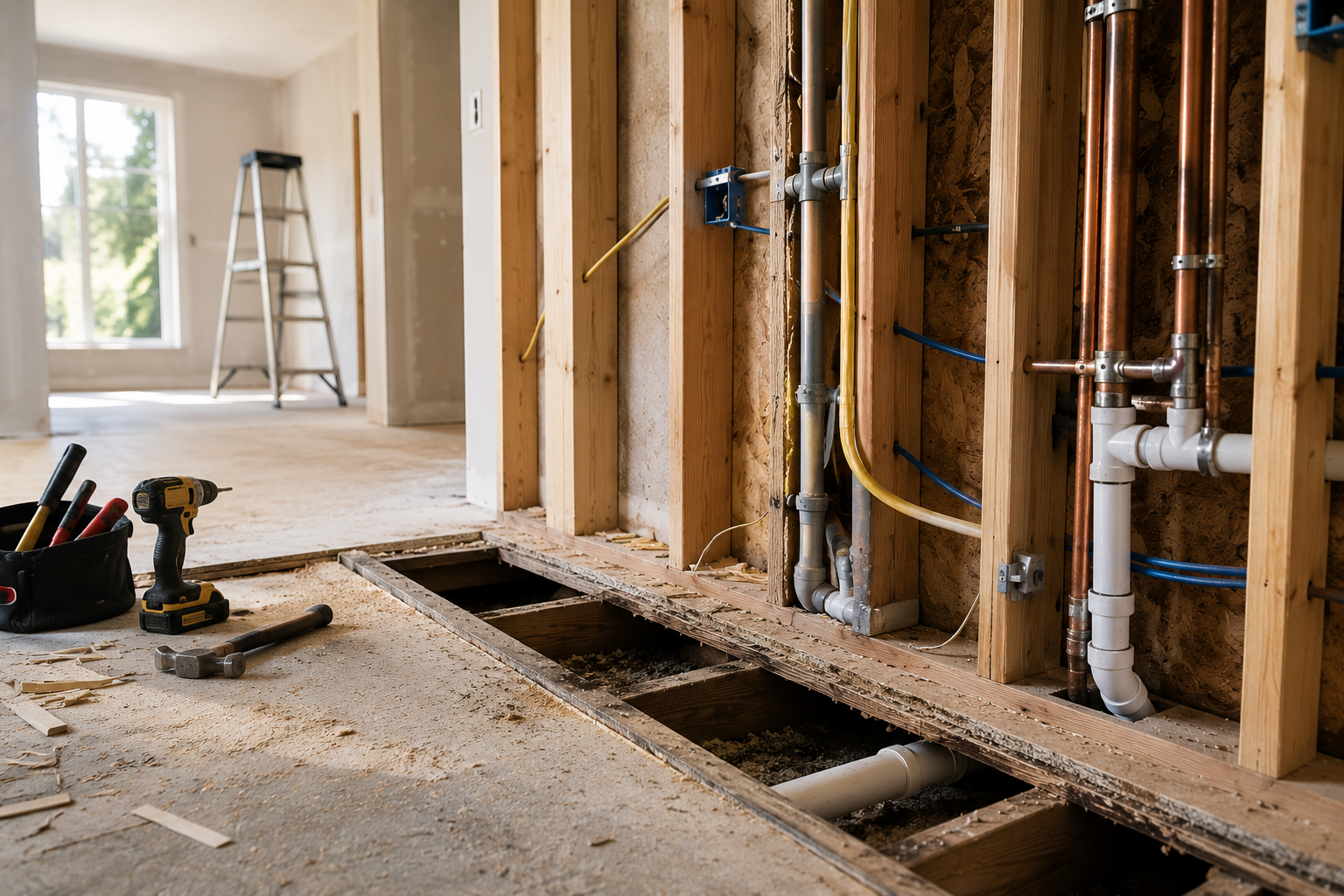
As a general guide, many renovators allow between 10% and 20% of the renovation budget as contingency, depending on the age and condition of the property. Older homes typically require a larger allowance due to the increased likelihood of hidden issues.
Having a contingency budget doesn’t mean you’ll definitely spend it. In fact, the best outcome is finishing the project with some of those funds untouched.
Renovations are much more enjoyable when you’re prepared for the unexpected. Building a contingency into your budget from the start can help keep your project on track, reduce financial pressure and give you confidence to make decisions when surprises arise.